The Science Behind Wireless Charging: How Does It Work?
Wireless charging, also known as inductive charging, is a technology that allows devices to charge without the need for physical connectors. At the core of this technology lies the principle of electromagnetic induction. In simple terms, the process involves a charger that creates an alternating magnetic field through a coil of wire. This magnetic field then induces a current in another coil located within the device that requires charging. This secondary coil converts the induced current back into direct current, which is used to power the device's battery. Furthermore, the efficiency of this process can be influenced by several factors, including the alignment of the coils and their distance apart.
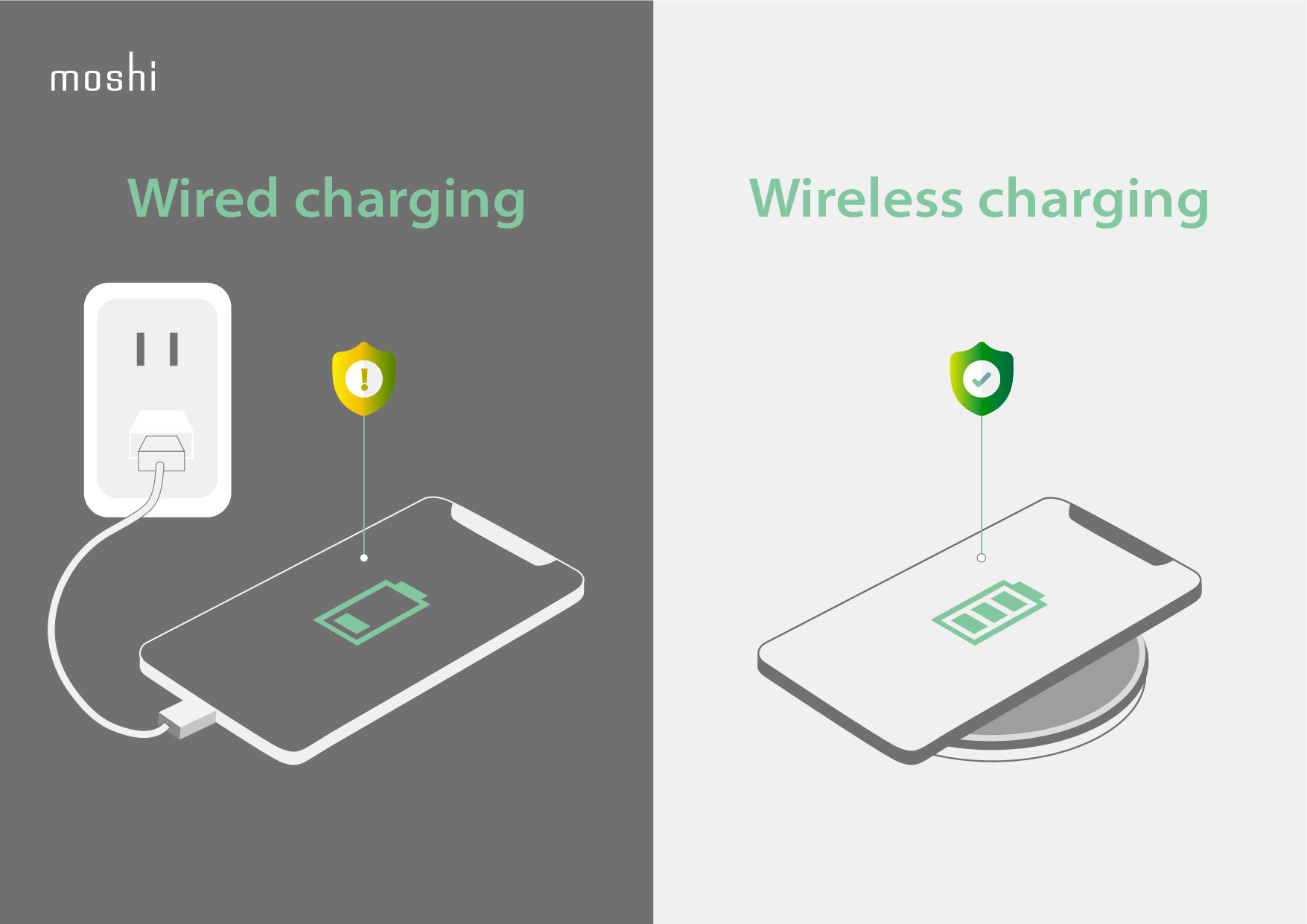
Wireless charging systems typically consist of two main components: a transmitter and a receiver. The transmitter is usually embedded in a charging pad or stand, while the receiver is integrated into the device. QI is one of the most common standards for wireless charging, utilizing resonant inductive coupling to enhance efficiency and range. As the technology evolves, innovations such as fast wireless charging and long-distance charging are also being developed, allowing more convenient and efficient power transfer. While some may argue that wired charging remains faster, the convenience and ease of use of wireless charging are undeniable, making it an appealing choice for many users.
Counter-Strike is a popular multiplayer first-person shooter game that pits teams of terrorists against counter-terrorists in various objective-based scenarios. Players engage in intense battles to plant or defuse bombs, rescue hostages, or eliminate the opposing team. For those looking for a stylish way to protect their devices, check out the Top 10 iPhone slim cases that offer both functionality and aesthetic appeal.
Top 5 Benefits of Switching to Wireless Charging
As technology evolves, wireless charging has emerged as a convenient alternative to traditional charging methods. One of the top benefits of switching to wireless charging is the elimination of tangled cords and cables. This not only simplifies your charging setup but also enhances the overall aesthetic of your workspace and home. Additionally, many modern wireless chargers come with fast charging capabilities, providing a quick power boost without the hassle of plugging in.
Another key advantage is the improved durability of your devices. Frequent plugging and unplugging of cables can wear down the charging ports over time. By using a wireless charger, you reduce the risk of damage to the device's charging port and prolong its lifespan. Moreover, many wireless chargers are designed with non-slip surfaces and built-in safety features, ensuring a safe and efficient charging experience.
Common Myths About Wireless Charging Debunked
Wireless charging, while becoming increasingly popular, is often surrounded by a number of myths that can confuse consumers. One common misconception is that wireless charging is inherently inefficient, leading to faster battery depletion. In reality, modern wireless charging technology has significantly improved in efficiency, with many chargers now operating at over 80% efficiency. Additionally, the convenience of simply placing your device on a charging pad outweighs minor efficiency losses when compared to traditional wired methods.
Another prevalent myth is that using a wireless charger can damage your smartphone's battery. This is not true; wireless chargers are designed to automatically stop charging once your device reaches full capacity, similar to their wired counterparts. Furthermore, manufacturers have incorporated multiple protection mechanisms, including temperature control and foreign object detection, ensuring that your device remains safe during the charging process. So, you can rest easy and enjoy the convenience of wireless charging without worrying about harming your device.