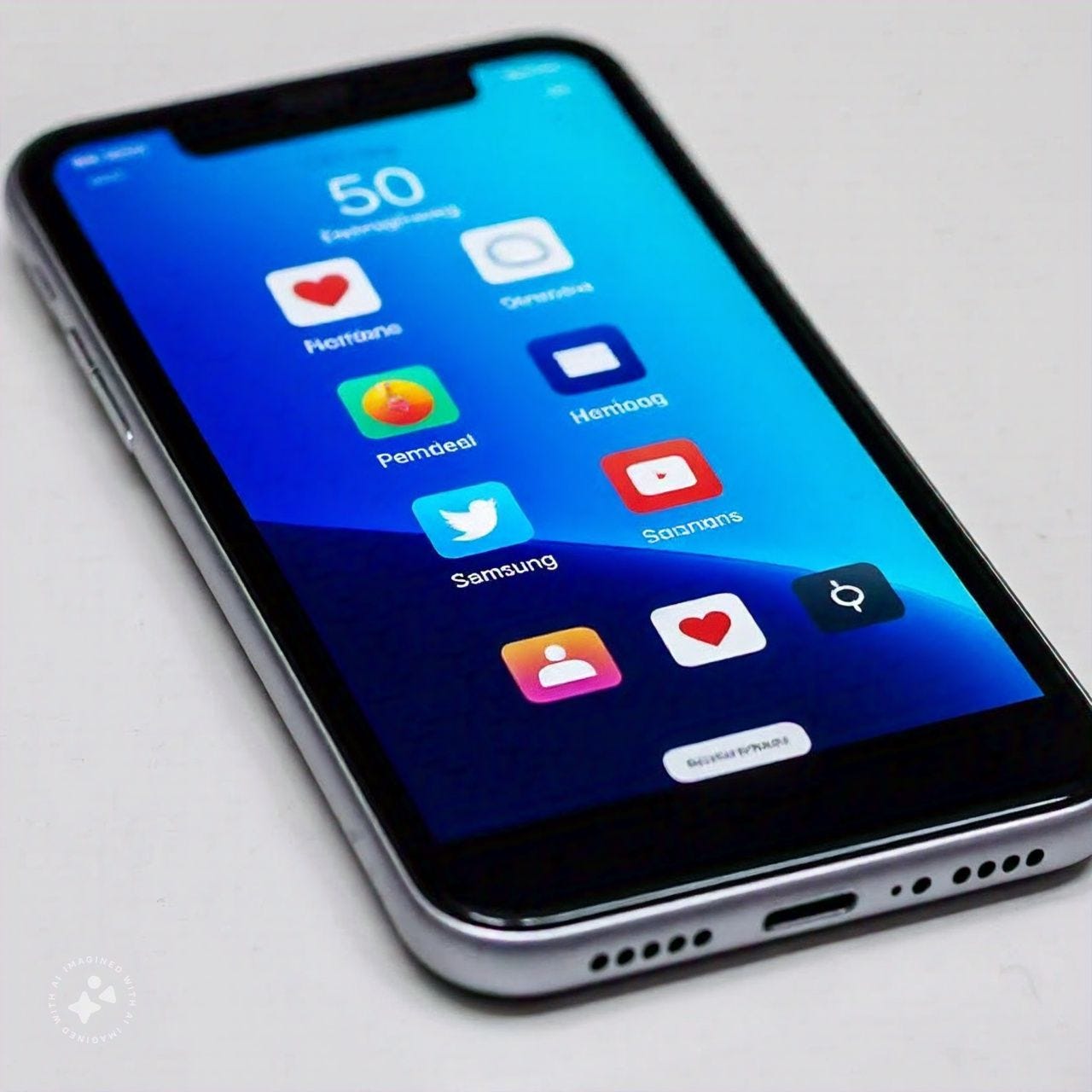
The Science Behind Why Your Mobile Device Functions as Your Second Brain
In today's digital age, our mobile devices have evolved into indispensable tools that serve as a second brain. This phenomenon can be attributed to various cognitive principles and neuroscientific findings. For instance, the concept of external memory suggests that our brains offload information onto our devices, allowing us to manage daily tasks more effectively. With applications designed for note-taking, reminders, and scheduling, we are increasingly relying on technology to store and retrieve essential data, freeing up our mental capacity for creative and complex problem-solving.
Moreover, the constant connectivity that mobile devices offer plays a significant role in enhancing our cognitive abilities. Research indicates that the ability to access vast amounts of information at our fingertips stimulates neural pathways associated with knowledge acquisition and decision-making. The more we use our devices, the more adept we become at processing information quickly and efficiently. As a result, our reliance on these gadgets can be seen as an extension of our cognitive functions, making it easier to navigate the complexities of modern life and ultimately reinforcing the idea that our mobile devices truly function as a second brain.
Counter-Strike is a highly popular first-person shooter game that pits teams of terrorists against counter-terrorists in a variety of gameplay modes. Players can choose to defuse bombs, rescue hostages, or eliminate the opposing team. For those looking to protect their devices while gaming, check out the Top 10 Military Grade Shockproof Cases for iPhone 17 which provide durability and style.
10 Surprising Ways Your Smartphone Enhances Your Cognitive Abilities
In today's fast-paced digital world, our smartphones are often seen merely as tools for communication and entertainment. However, they hold remarkable potential to enhance cognitive abilities in ways that may surprise you. For instance, using productivity apps can significantly boost focus and organization. With reminders and task lists, your phone helps you manage your time more effectively, allowing you to grasp and retain information better. Additionally, mobile games designed for brain training can sharpen your problem-solving skills and improve memory retention.
Another surprising way your smartphone aids in cognitive development is through access to vast educational resources. From online courses to podcasts and audiobooks, learning has never been more accessible. By engaging with diverse content, you stimulate your brain and foster critical thinking. Moreover, collaborative tools enable you to communicate and discuss ideas with others, enhancing your understanding and encouraging creative thought. In this digital age, leveraging your smartphone wisely can turn it into a powerful ally for cognitive enhancement.
Is Your Mobile Device Really Your Second Brain? Exploring the Connection
In today's digital age, many of us rely heavily on our mobile devices, often referring to them as our second brain. This term encapsulates the way our smartphones and tablets serve as extensions of our memory and cognitive capabilities. With just a few taps, we can access a vast amount of information, store reminders, track our health, and even manage our finances. The hyperconnectivity and convenience offered by mobile technology have fundamentally transformed how we function on a daily basis. But the question arises: Is this reliance a blessing or a curse?
While it is clear that our mobile devices can enhance our productivity, it's essential to consider some downsides. Studies suggest that excessive dependence on technology may lead to diminished cognitive skills, as we often outsource simple tasks like remembering phone numbers or directions. In this sense, our devices might indeed be acting as a second brain, but at what cost? We may need to strike a balance between leveraging technology for efficiency and ensuring that we continue to engage our brains in ways that foster critical thinking and problem-solving skills. Finding this equilibrium is crucial for long-term cognitive health in an increasingly digital world.