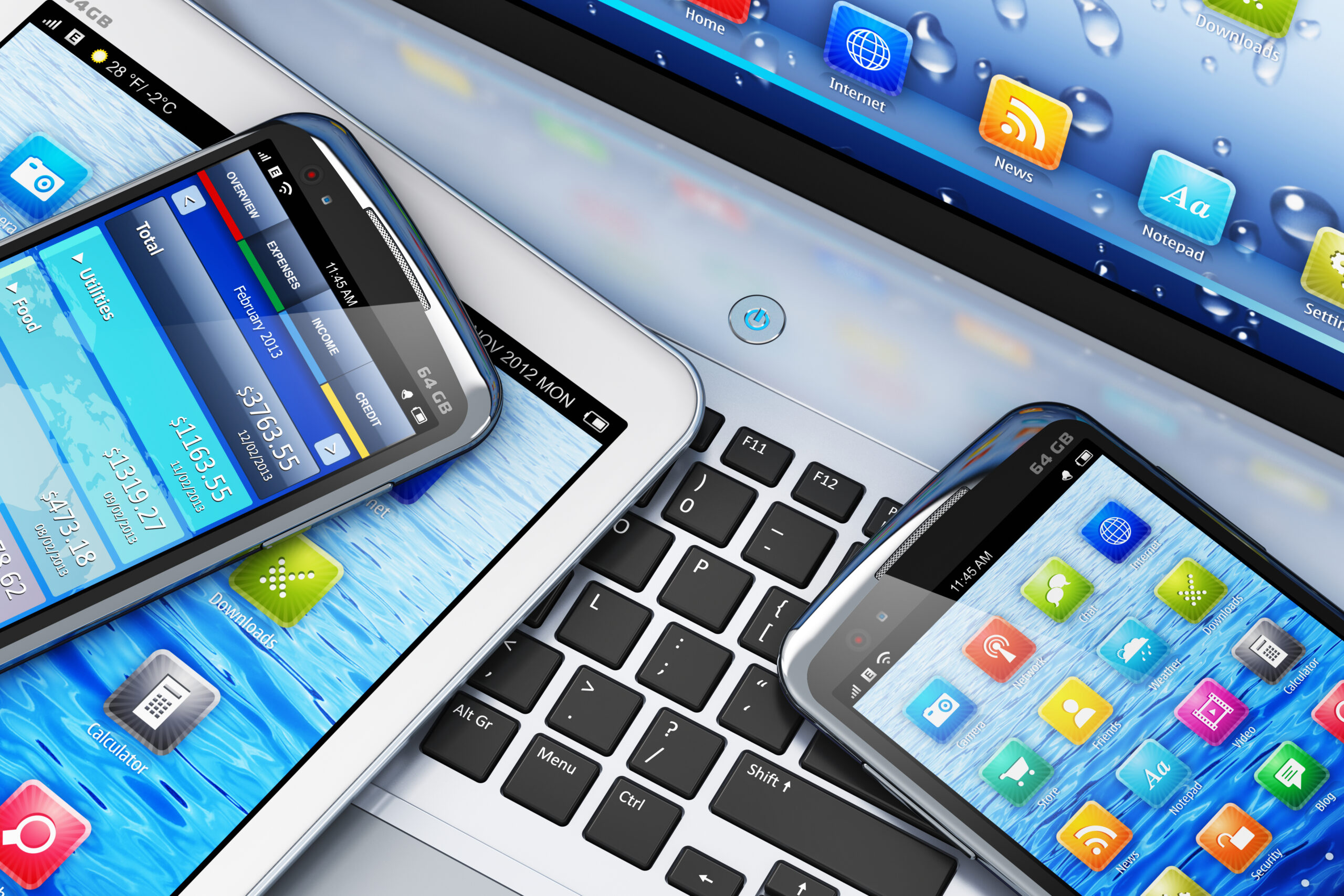
How Mobile Devices Have Revolutionized Our Relationship with Time
The advent of mobile devices has profoundly transformed our perception and management of time. In the past, individuals relied heavily on physical clocks and diaries to organize their schedules. Now, with the convenience of smartphones, we have instant access to calendars, reminders, and time-tracking apps, all of which have made it easier than ever to plan our days and stay on schedule. This technology not only allows for real-time updates but also synchronizes across various platforms, ensuring that we are constantly in control of our time management.
Moreover, mobile devices have ushered in a culture of immediacy that redefines how we experience time. We can communicate instantly across the globe, share information at a moment's notice, and even conduct business transactions with just a few taps. This has led to the phenomenon of time compression, where the lines between work and personal life blur, often leaving us feeling perpetually connected. As a result, we find ourselves constantly juggling multiple tasks, highlighting the necessity of mastering our relationship with time in this fast-paced digital landscape.
Counter-Strike
Counter-Strike is a highly popular first-person shooter game that has been captivating players since its release. It involves two teams, terrorists and counter-terrorists, competing to complete objectives or eliminate each other. The game has spawned several versions and updates, continually enhancing gameplay and graphics.
For gamers on the go, finding the right equipment is essential. Check out the Top 10 Android Charging Cables to ensure your devices stay charged during extended play sessions.
With its competitive scene and strategic depth, Counter-Strike remains a staple in the gaming community.
The Evolution of Mobile Technology: A Journey Through the Years
The journey of mobile technology spans several decades, marked by significant milestones that reshaped how we communicate and interact with the world. In the early 1980s, the introduction of the first handheld mobile phones, such as the Motorola DynaTAC, revolutionized communication, albeit at a high cost and limited functionality. Fast forward to the 1990s, and we saw the emergence of SMS texting and basic internet capabilities on phones, enabling users to send short messages and access simple websites. As we entered the 2000s, the advent of smartphones changed the landscape dramatically, merging the capabilities of phone, computer, and multimedia devices into a single handheld unit.
The introduction of Apple's iPhone in 2007 marked a pivotal moment in the evolution of mobile technology, as it offered a user-friendly interface and a rich ecosystem of applications through the App Store. The following years saw rapid advancements, including the rise of Android smartphones, which rapidly diversified the market and made mobile technology accessible to a broader audience. Today, mobile technology continues to evolve, with 5G networks enhancing speed and connectivity, while innovations like foldable phones and AI integration promise to shape the future of mobile communication, ensuring that our devices remain at the forefront of technological advancement.
Can Your Smartphone Really Help You Manage Time Better?
In today's fast-paced world, smartphones have become indispensable tools for managing our time more efficiently. With a plethora of applications designed specifically for organization, such as calendar apps, task managers, and reminder services, leveraging these features can significantly improve our productivity. For instance, using a calendar app allows you to see your schedule at a glance, enabling better planning of your days and helping to prevent conflicts. Additionally, setting reminders for important tasks can ensure that nothing slips through the cracks, allowing you to focus on what's really important.
However, it's essential to strike a balance when using your smartphone for time management. While the potential for productivity is vast, distraction is also just a click away. Social media notifications, games, and endless scrolling can easily undermine the effective use of your time. To truly enhance your time management skills, consider implementing strategies such as turning off notifications during work hours or using dedicated apps that block distractions. By being mindful about how you engage with your device, you can harness the power of technology to achieve your time management goals.