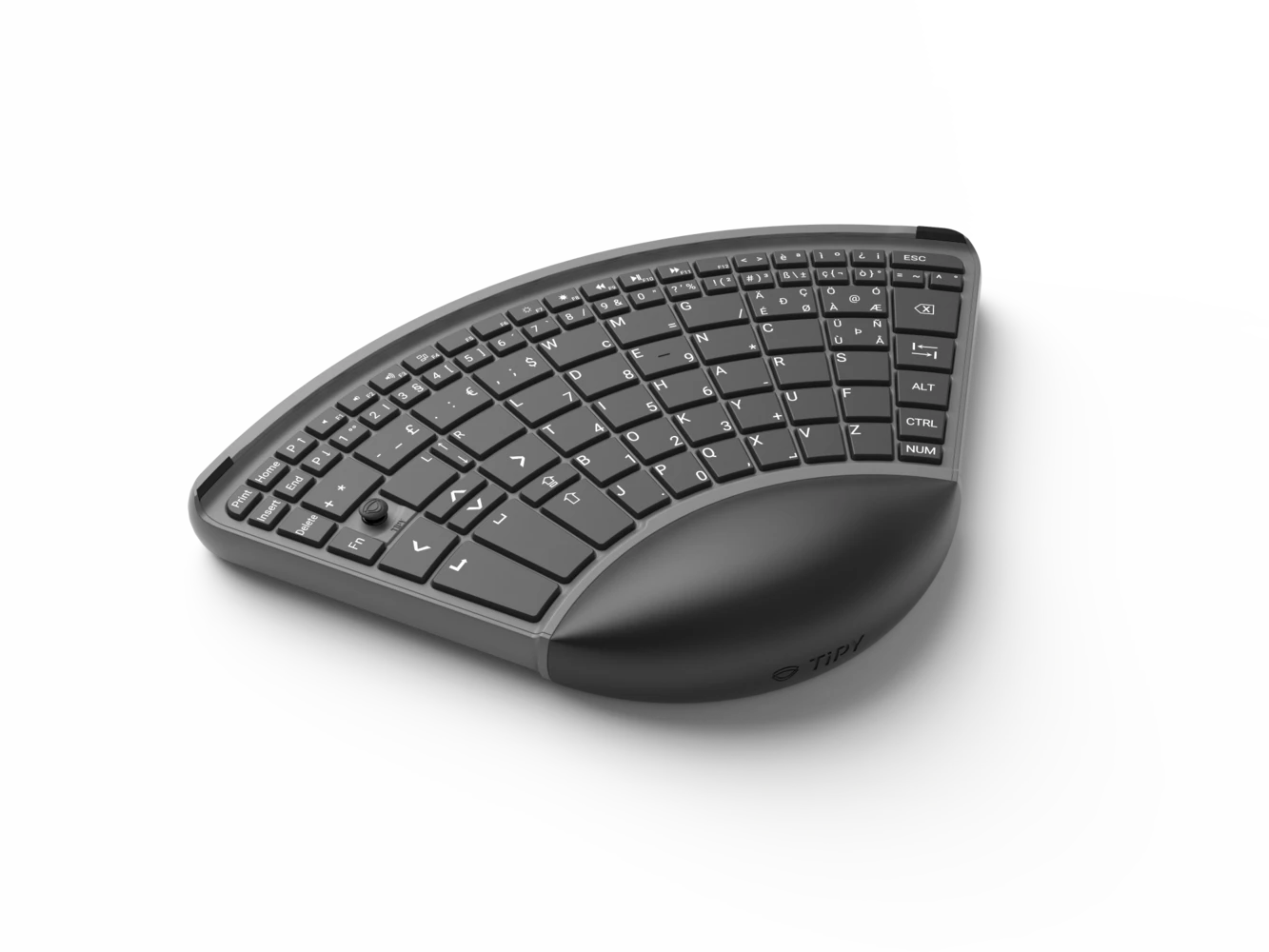
The Hidden Meanings Behind Your Keystrokes: Understanding Typing Styles
Every time you sit down at your keyboard, you're not just inputting text; your typing style reveals a wealth of information about your personality and emotional state. Studies show that different keystrokes, such as speed, pressure, and rhythm, can indicate how confident or anxious you are in your writing environment. For instance, a rapid typing pace might suggest enthusiasm or urgency, while slow and deliberate typing could indicate carefulness or hesitation. Understanding these hidden meanings can help you harness your typing style for more effective communication.
Additionally, the way one uses the keyboard often reflects their personality traits. For example, typists who predominantly use their index fingers may prefer to take their time and think through their words, while those who use all their fingers tend to be more spontaneous and confident in their expressions. Typing habits can even vary significantly amongst different age groups; younger individuals may favor a more casual approach, while older generations often exhibit more structured typing styles. By decoding these subtle cues, we can gain insights into not only our own typing methodologies but also the perspectives of those who share their writings with us.
Counter-Strike is a highly influential first-person shooter (FPS) game that has become a staple in competitive gaming. With its strategic gameplay and team-based mechanics, players engage in intense battles as terrorists and counter-terrorists. For those interested in enhancing their coding experience on a MacBook, check out the Top 10 Accessories for Coding with MacBook to improve productivity and comfort during long coding sessions.
Is Your Typing Style Revealing More Than You Think? Exploring the Subtleties of Communication
In the digital age, typing has become one of our primary modes of communication. Interestingly, your typing style can reveal more about your personality than you might realize. Factors like speed, punctuation use, and even the choice of words can indicate your mood, confidence level, and even tendencies toward extroversion or introversion. For instance, someone who types quickly and uses a lot of exclamation points often projects enthusiasm and openness, while a more reserved typist might rely on brevity and formal language, suggesting a preference for clarity and precision.
Moreover, the subtleties of your typing can impact the way others perceive your messages. In professional settings, typing in complete sentences with proper grammar can signal professionalism and attention to detail. Conversely, frequent typos or casual language might lead recipients to question your commitment or competence. It's also worth noting that our typing style can vary across different platforms. A relaxed approach on social media might contrast sharply with the formality expected in emails or reports. Understanding these nuances can help you navigate both personal and professional interactions more effectively.
Can Your Typing Habits Influence Your Professional Image?
Your typing habits can significantly influence your professional image. In today's digital age, the way you communicate through written correspondence reflects not only your personality but also your attention to detail and professionalism. For instance, frequent grammatical errors or unclear messages can create an impression of carelessness, while concise and well-structured communication can enhance your credibility. Employers and clients often interpret typing speed and accuracy as indicators of efficiency and competence, further solidifying the importance of developing effective typing skills.
Moreover, maintaining consistent typing habits can contribute to better time management and productivity. With the rise of remote work and digital communication, professionals who can type quickly and accurately often find themselves more capable of handling multiple tasks simultaneously. This ability can set you apart in competitive job environments. Consider implementing typing exercises or utilizing tools to improve your skills, as refining your technique may positively impact how colleagues and clients perceive your efficiency and effectiveness in the workplace.