The Power of Imagination: How Creating Fictional Worlds Influences Real-Life Innovation
The power of imagination plays a pivotal role in shaping our reality, especially through the lens of fictional worlds. When authors craft intricate narratives and build fantastical universes, they not only entertain but also inspire innovation in various fields. For instance, the technological advancements depicted in books like Isaac Asimov's Foundation series have ignited real-life ventures into robotics and artificial intelligence. By immersing ourselves in these creative landscapes, we unlock a treasure trove of possibilities, sparking ideas that fuel scientific research and entrepreneurial endeavors.
Moreover, creating fictional worlds serves as a valuable exercise in problem-solving. When writers construct their narratives, they often encounter scenarios that require innovative solutions, cultivating a mindset geared toward inventive thinking. Such creative processes can influence not only budding writers but also professionals in industries ranging from engineering to marketing. As we explore these imaginary realms, we learn to embrace uncertainty and view challenges through a new lens, ultimately paving the way for groundbreaking ideas that can revolutionize our world.
Counter-Strike is a highly popular first-person shooter game that has been a staple in competitive gaming since its release. Players form teams, typically Terrorists and Counter-Terrorists, to complete objectives or eliminate the opposing team. For those looking to enhance their gaming experience, finding the right accessories can be crucial. Check out the Top 10 airtag keychains to keep track of your gaming gear.
From Fantasy to Reality: Exploring the Psychological Impact of Imaginary Environments
The psychological impact of imaginary environments has gained significant attention in recent years, particularly as people increasingly seek refuge from the stresses of the real world. From the fantastical landscapes of video games to the intricate worlds crafted in literature, these realms offer an escape that can profoundly affect our mental well-being. Engaging with fantasy allows individuals to explore their creativity, alleviate stress, and even confront personal fears in a safe space. By immersing ourselves in these imaginary environments, we can enhance our problem-solving skills and cultivate a sense of agency that might be lacking in our daily lives.
Moreover, studies have shown that individuals who frequently engage with fantasy can develop better emotional resilience and coping mechanisms. In virtual worlds, players often face challenges that mirror real-life dilemmas, providing a unique way to navigate psychological hurdles. For instance, a player who defeats obstacles in a game may carry that sense of accomplishment into their real life, demonstrating the interconnectedness between fantasy and reality. As we continue to explore these imaginary landscapes, the psychological impact they hold offers valuable insights into our inner world, encouraging personal growth and self-discovery.
What Can We Learn from the Worlds We Create? The Connection Between Design and Our Everyday Lives
The worlds we create through design—whether in architecture, product development, or digital environments—are reflective of our values, needs, and aspirations. Design is not just about aesthetics; it fundamentally shapes our everyday experiences. From the cityscapes we navigate to the interfaces we interact with on our devices, the principles of design influence our behavior, emotions, and even our productivity. For instance, consider how an intuitively designed workspace can enhance creativity and collaboration, while cluttered environments may lead to distraction and stress.
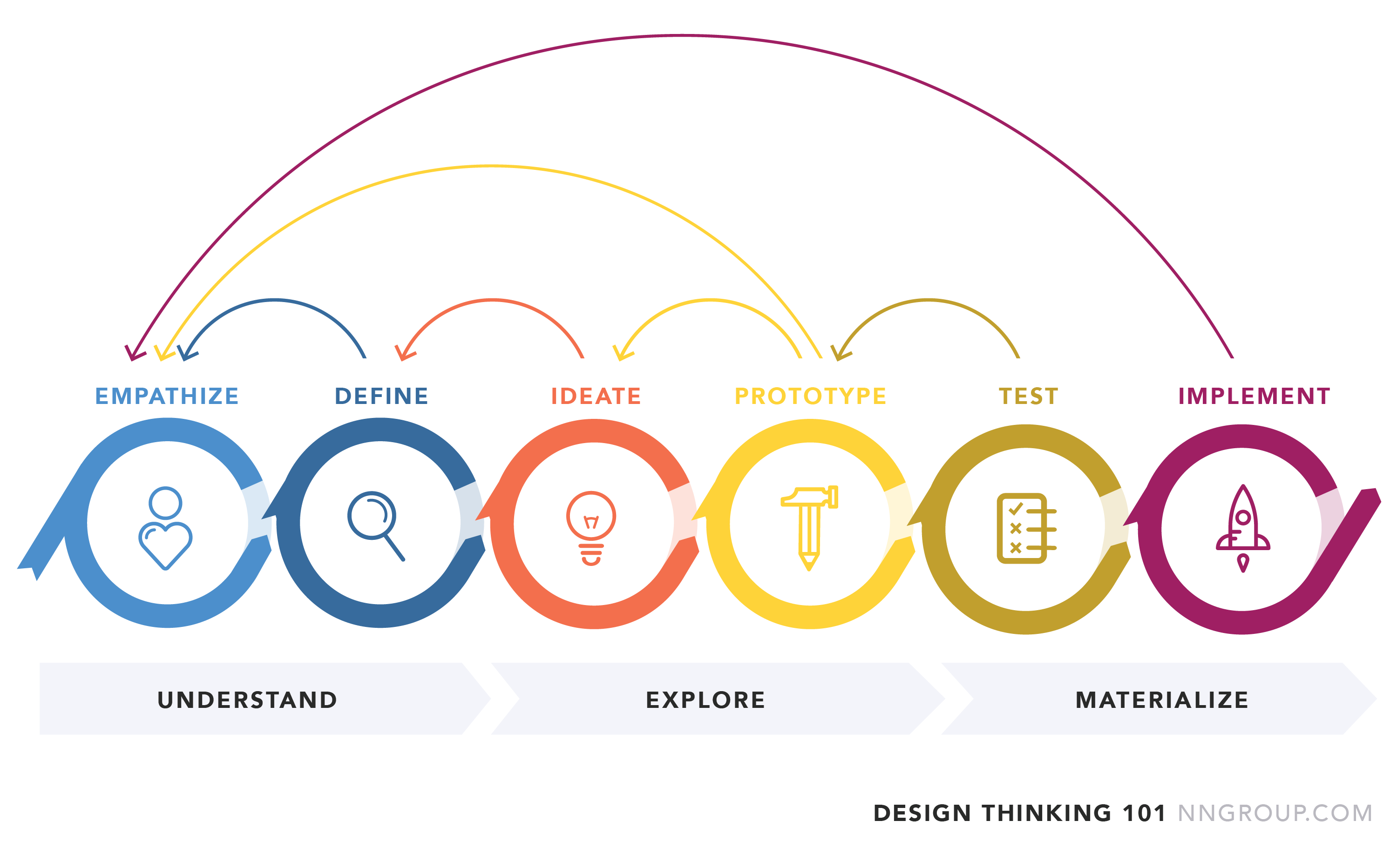
Moreover, the lessons drawn from the worlds we create can be profound. They teach us about sustainability, accessibility, and inclusivity. As designers and consumers, we have the power to lead by example in creating environments that prioritize well-being and community connection. By embracing design thinking, we can cultivate spaces that not only serve functional purposes but also foster emotional health and social interaction. Ultimately, the connection between design and our everyday lives reminds us that every choice in creation echoes far beyond the initial concept, impacting how we live, work, and relate to one another.